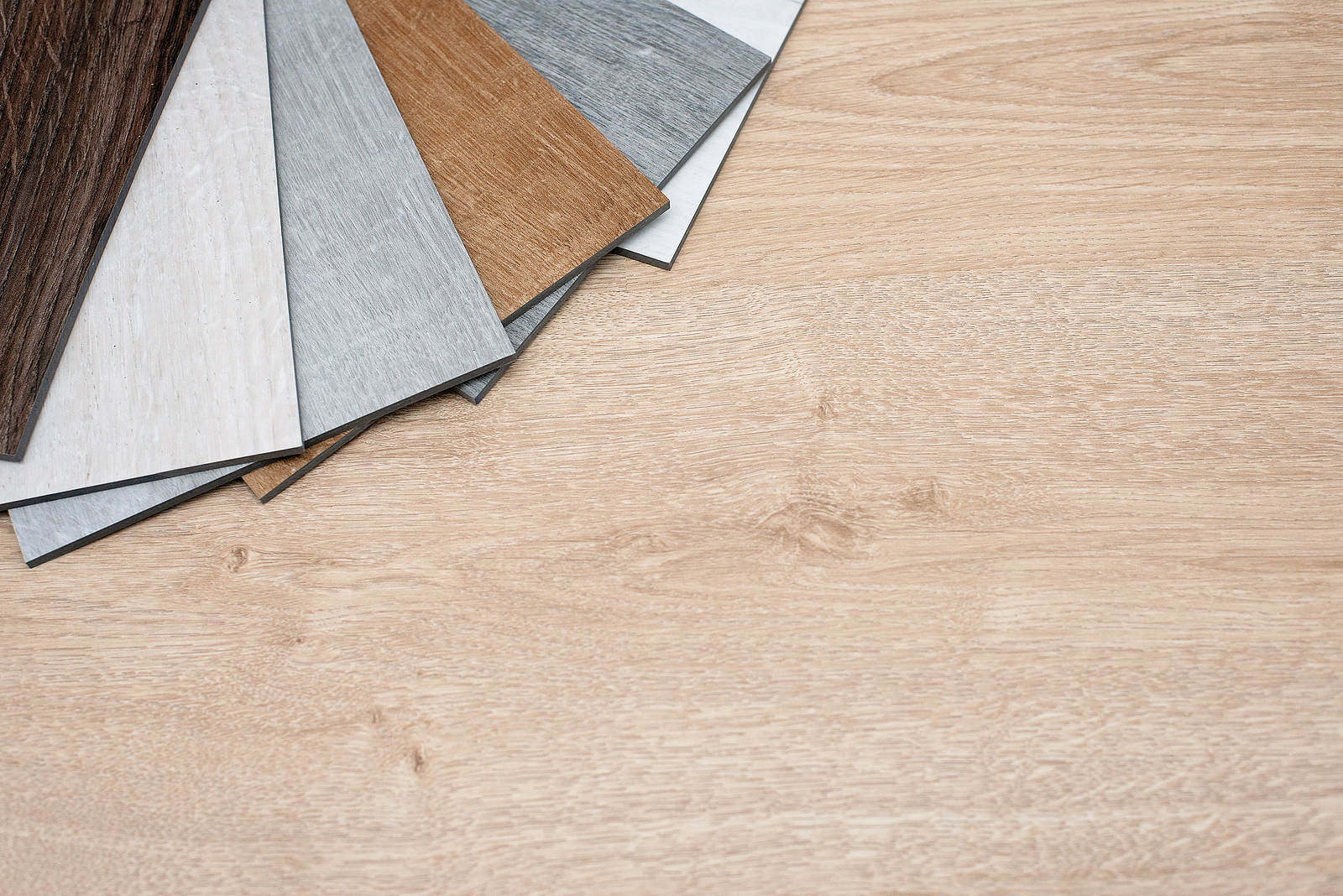
There are various types of vinyl flooring that all have their uses, particularly in buildings with high footfall and where spillages and mess may need to be cleaned up regularly – such as in hospitals, care homes and retail environments.
But vinyl flooring comes in different variations, including as smooth vinyl and as tiles. Then there is safety vinyl flooring, which is particularly useful because of its non-slip properties.
How is safety vinyl flooring different?
The main way in which safety vinyl flooring differs from other types of vinyl flooring is in its slip-resistant design. This type of flooring was created to not only be easy to clean, but to provide grip even when wet.
Therefore, it is ideal in locations that either get wet easily – such as in swimming pools and leisure centre changing rooms – or in locations that might regularly experience spills or other mess that needs cleaning up. This includes hospitals, retail outlets and even schools.
Given that slips, trips and falls cause an average of 40 per cent of the accidents reported at work in the UK, costing the country’s employers over £500 million per year, it’s understandable that businesses would look for flooring options to minimise the risk of anyone slipping and hurting themselves.
Safety vinyl flooring is also designed to be highly durable, which makes it an excellent choice for anywhere that has high foot traffic.
Where else can it be used?
Safety vinyl is also a common flooring choice in public bathrooms, again due to its non-slip surface as well as the ease with which it can be cleaned. The advice with any vinyl flooring is to clean up spills as soon as possible and then to clean the affected area with water and an approved cleaning product.
In terms of regular cleaning, hoovering or sweeping is recommended to get rid of as much dirt as possible before you mop your floor with water and a cleaning solution. It is incredibly easy to care for, which is why it’s so popular in a variety of settings.
Some people are even exploring using safety vinyl in their bathrooms or wetrooms at their homes to reduce the risk of slips and falls in these areas that can be a bit hazardous when wet.
There really is no limit to where you can use safety vinyl flooring given the different colours and finishes it is available in. You can recreate a solid wood or tiled floor with vinyl, which means it’s suitable to use in a host of settings.
What’s more, in buildings like hospitals, you can choose different coloured vinyls for different areas to both help staff and patients navigate buildings and to mark different departments or areas in wards.
Safety vinyl flooring is also a popular choice in nursery schools, because of its water-resistant and non-slip properties, as well as the fact that it’s softer underfoot than the likes of laminate flooring. This makes it more comfortable for children to walk and play on, as well as making it quieter to walk on.