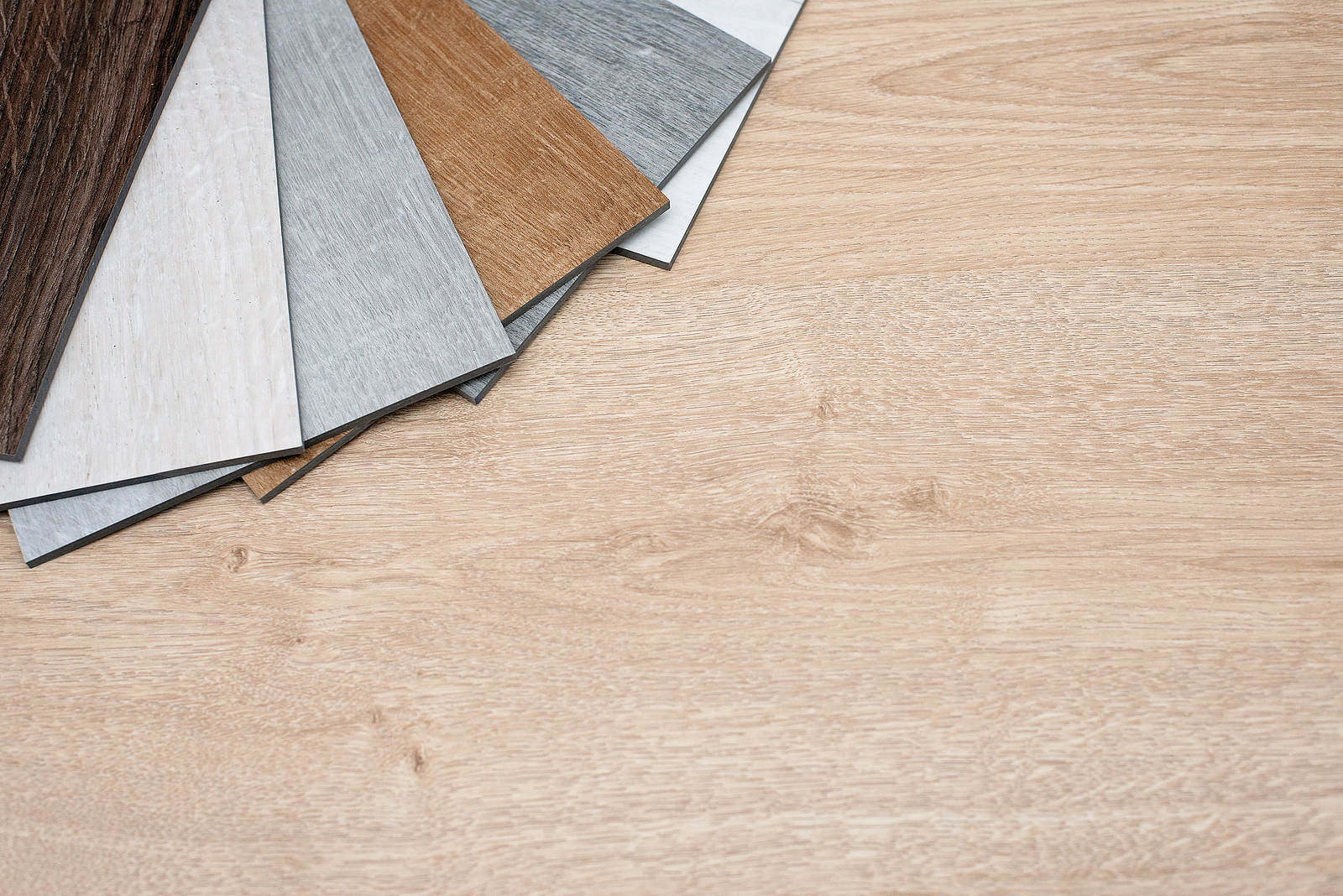
As the weather starts to get colder and wetter, the risks of inadvertent slip and trip hazards also exponentially increase.
This means that the need for safety vinyl flooring becomes more critical in winter than it often is in summer, something that certain types of commercial, industrial and residential buildings need to keep in mind when they make the crucial decision to install new flooring.
There is a range of different safety floor solutions which follow a set of standards and specifications, but here are the most critical aspects of safety flooring and why they matter.
Slip Resistance
One of the most critical elements of safety flooring is that it has the ability to retain traction even in wet, slippery or icy conditions.
They typically have a carefully constructed textured surface that allows it to maintain a remarkable level of grip, which is essential to minimise the effects of standing water in a wet room, swimming pool, changing rooms, or industrial kitchen.
It can also help to prevent slips and falls more broadly, something that can be essential in specialist or adapted accommodation, which may be used by people who have conditions which may affect their balance.
There are various methods for determining slip resistance and multiple methods for ensuring that a floor provides traction, but a key feature of safety flooring is that, for the expected life of the floor, it must maintain a minimum baseline level of slip resistance.
Generally, this means that the slip resistance is achieved through a particle-based process where materials are added to the body and wear layers to maintain traction for longer than a more surface-level traction process, such as by using coating or embossing.
Water Resistance
One of the reasons why safety flooring needs to be particularly slip-resistant is that they are typically a more water-resistant flooring solution than most.
Water resistance is necessary for rooms where water splashing is either incredibly likely or an outright inevitability, as this could cause potential issues with rot, damp or decay over time if a more absorbent flooring solution, such as a carpet, is used instead.
Being water-resistant also tends to make them easy to clean and maintain, effectively acting as wipe-clean surfaces.
This is also important for kitchens and restaurant areas where there is a higher risk of food spills, as these can also form the basis of a slip hazard.
They also tend to be more hygienic, often supplementing this with antimicrobial compounds, additives or properties that further increase the safety potential.
Durable And Long Lasting
The most dangerous point in the lifespan of a typical flooring solution is just at the point where it is about to wear out, as this can create additional slip and trip hazards that are neither easily noticeable nor easy to fix.
Vinyl surfaces tend to be long-lasting by design, which makes them ideal for high-traffic areas whilst also minimising the disruption caused by worn-out parts of the floor and the time required to remove and replace them when they finally wear out.