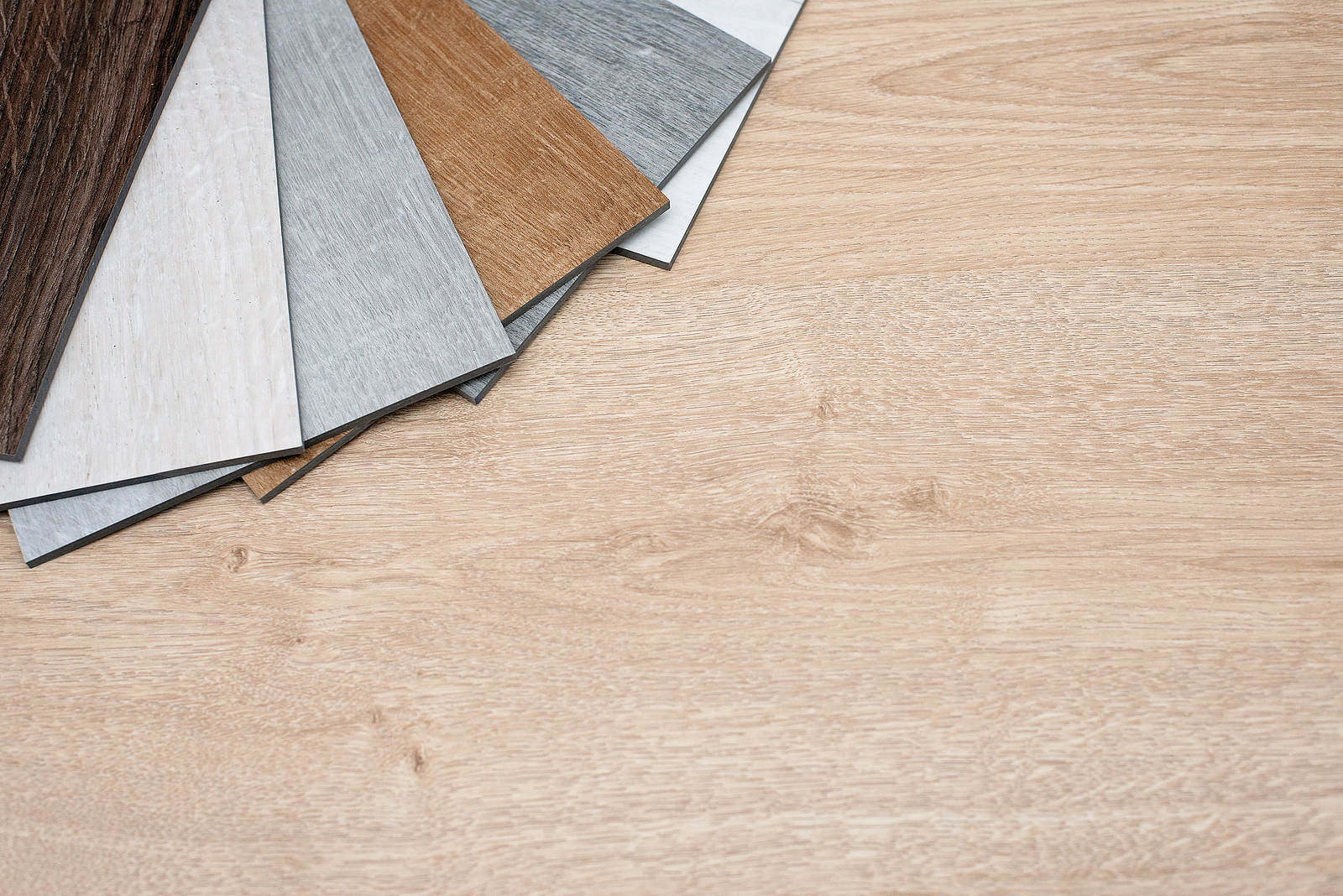
Prestige and practicality are far more tied to each other than one may expect, and an exceptional example of this is the development of parquet and its remarkably close connection to the versatile, easy-to-install laminate flooring solutions available today.
The premise of lamination is that it is more affordable than hardwood, easier to source, easier to manufacture consistent sheets or tiles, and is typically easier to maintain.
It is also typically easier to replace in parts, which means that it can also have a far cheaper total cost of ownership.
Whilst many laminate flooring solutions today are designed around highly modern materials and a complex multi-layer design, the principle was originally seen over 400 years ago with parquet, a design concept often perfected through the use of laminate.
What Is Parquet?
Whilst the composition and materials can vary significantly, parquet is a catch-all term used to describe any form of wooden mosaic flooring.
Small pieces of wood were laid next to each other and then glued using some kind of adhesive, creating a remarkably hard-wearing floor made from relatively small and thin pieces of wood.
Whilst parquet can be made with practically any type of design, by far the most popular of these is herringbone, to the point that many parquet-style designs will inherently gravitate towards it.
Parquet is associated with prestige, often being used for historic function rooms, ballrooms and legal courts. However, the reasons behind its use are based far more on practicality and preservation than aesthetics, something that links it closely to laminate floors which have since inherited its style.
Why Was Parquet Invented?
Using wood to create patterns had been called parquet as early as the 1640s, but the first recognisable uses of it as a type of prototypical wooden laminate solution came in the 1680s as possibly the most practical component of one of history’s least practical buildings.
The Palace of Versailles was one of the most ambitious, opulent and grandest buildings ever made, featuring architecture and interior design that was considered at the time to be either impossible or at least prohibitively expensive. It was constructed on what was originally wetlands and only became less practical from there.
Ironically, Versailles’ most famous room, the Hall of Mirrors, epitomises this lack of compromise in every possible area except the floor.
Most of Versailles’ flooring was made from marble, but the problem with the material in an age before modern sealants is that it constantly needed washing and polishing to stop stains and blemishes from becoming highly visible.
Whilst the spendthrift nature of the ancient regime was willing to go to those lengths, a much bigger problem was that the constant water dripping through the relatively porous stonework would gradually rot the wooden joists holding up the building, risking complete structural collapse.
To get around this, and to save costs, elaborate mosaics of interlocking wooden tiles were made instead, creating the “parquet de menuiserie” woodwork patterns that are highly popular and commonly replicated today.
This melding of artistry and practicality is seen today in modern laminate, although the more advanced materials and manufacturing techniques have taken the concept to levels that would have been impossible centuries ago.