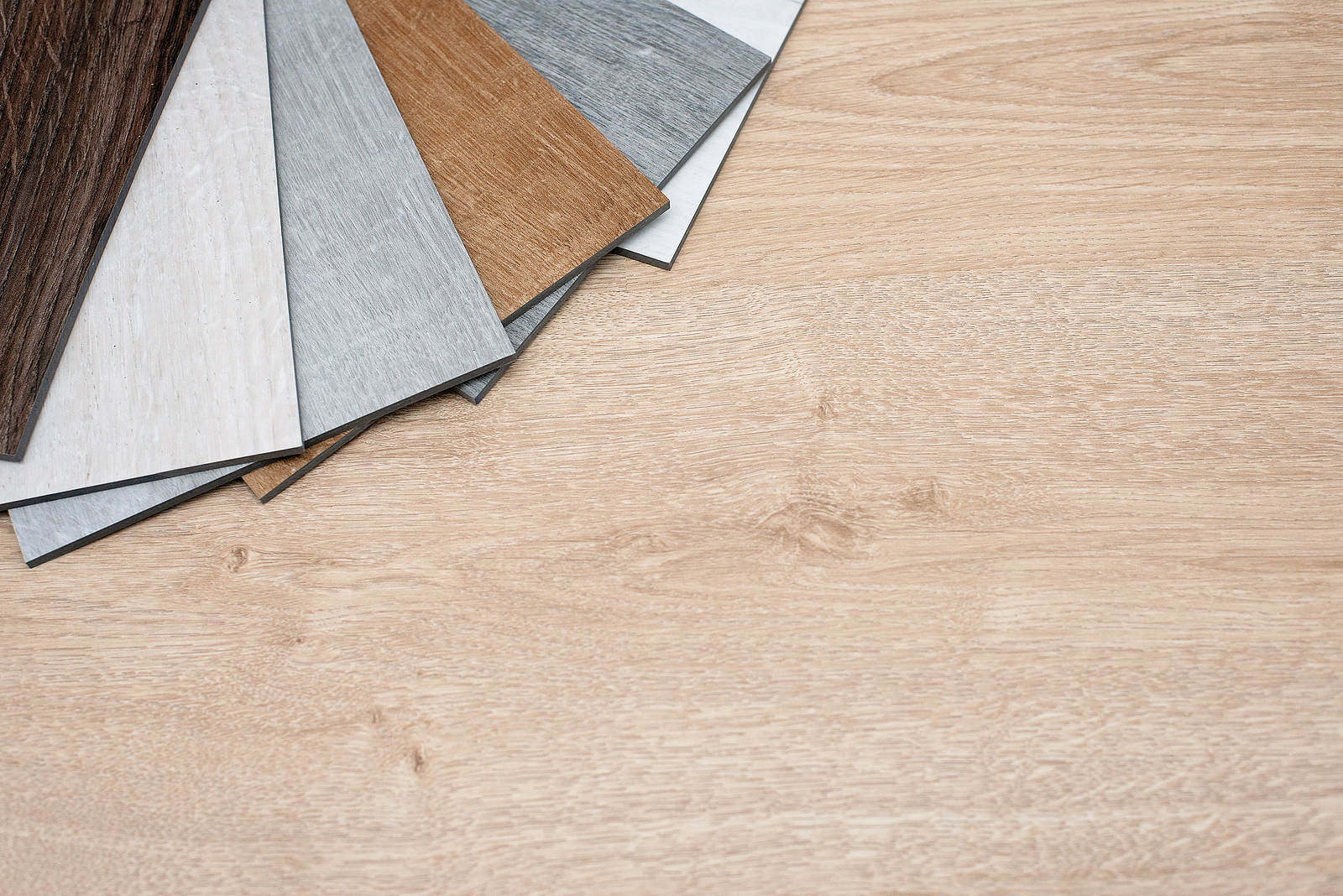
With such a wide range of carpets and flooring options available, there will be an ideal choice for your particular needs, whether you are focused on the beautiful intricacies of carpetmaking or want a long-lasting flooring solution you do not need to think about.
For those interested in traditional carpets, the unique and often intricate geometric patterns that are often woven into the pile are far from arbitrary, but convey a meaning that can be traced back to the very start of carpetmaking.
From colour choices, patterns, and even framing, here are some of the design cues that can be found in modern carpets that are inspired by thousands of years of tradition.
The Three Elements Of Traditional Carpet Design
Whilst there are countless traditions of carpet design, the earliest appears to have emerged from Armenia. The brightly-coloured Pazyryk rug, whilst found in Siberia, is believed to be of Armenian origin in part because it follows the three fundamental rules of carpet design.
In ancient Armenian culture, carpetmaking is not just an important craft, export or tradition, but is a celebration and embodiment of the universe itself, made of three fundamental elements:
- A sacred central symbol that symbolised life, eternity and wisdom.
- A cosmic field where a wide range of symbols representing animals, people, culture, fundamental elements of life and anything else meaningful and valuable.
- A three-row barrier that defines and protects the universe itself.
For Armenian carpetmakers, these designs are not only beautiful, they are meaningful enough to convey a language of their own, and even as carpetmaking traditions spread throughout the world, many carpets will follow the same design language of a central symbol surrounded by patterns with a defined edge.
The Use Of The Colour Red
Whilst carpets are available in literally any colour on the visible spectrum thanks to the development of a wide range of high-quality dyes, one of the most common colours seen with more traditional carpet patterns is red.
The reason for this can be found, once again, in Armenian carpetmaking traditions. The deep red hue was produced by the Armenian cochineal, now an endangered species.
The vivid colour became a defining element of carpets from Armenia before the tradition spread further, and many surviving carpets from an era before the proliferation of natural dyes traditionally have red as their primary colour.
Of course, the red carpet in itself has become a tradition that confers luxury and prestige.
A Representation Of Values
The aspects of a carpet that matter most to you and your business reflect to a degree your values more broadly, which is part of the reason why businesses will put a lot of thought into the designs, colours and materials used.
This has been true for as long as there is a written and textile history of carpentry; the first references to carpets already present them as an exclusive, luxurious gift, often provided as a goodwill gesture on diplomatic missions.
This means that everything from the colour scheme to the materials reflects something about your home and what matters to you, from a desire for practicality and longevity to a love of tradition and ornate patterns.